By Categories
Carpets




Though worlds apart, the highland weaving traditions of the Colombian Andes and the Himalayas are united by a common thread — one spun from ancestral memory, ecological harmony, and the timeless rhythm of the human hand. In both regions, weaving is an intergenerational craft, passed from parent to child not only as a livelihood but as a vessel for cosmology, cultural identity, and spiritual meaning. The artisans of Hechizoo and Jan Kath draw from their landscapes — alpaca, llama, or native plant fibres in the Andes; yak wool, sheep’s wool, and silk in the Himalayas — working with natural dyes and sustainable practices that honour the cycles of nature.
The process remains resolutely manual: spinning, dyeing, knotting, weaving — each action slow, deliberate, and rich with intention. Sacred geometries emerge from loom and hand, whether in the tocapus of the Andes or the mandalas and cloud motifs of Himalayan lore. These are not just patterns, but encoded stories — visual languages shaped by geography, mythology, and time.
While grounded in tradition, both ateliers are celebrated for pushing the boundaries of the craft. Hechizoo interlaces polymetal threads with natural fibres, creating textiles that shimmer between the technological and the ancestral. Jan Kath, in turn, reimagines the heritage rug through layered compositions, “erased” motifs, and an ultra-high knot count— blending wool and silk to poetic effect. Their works embody a new chapter in the lineage of hand-knotted textiles: one that honours the past while boldly weaving toward the future.
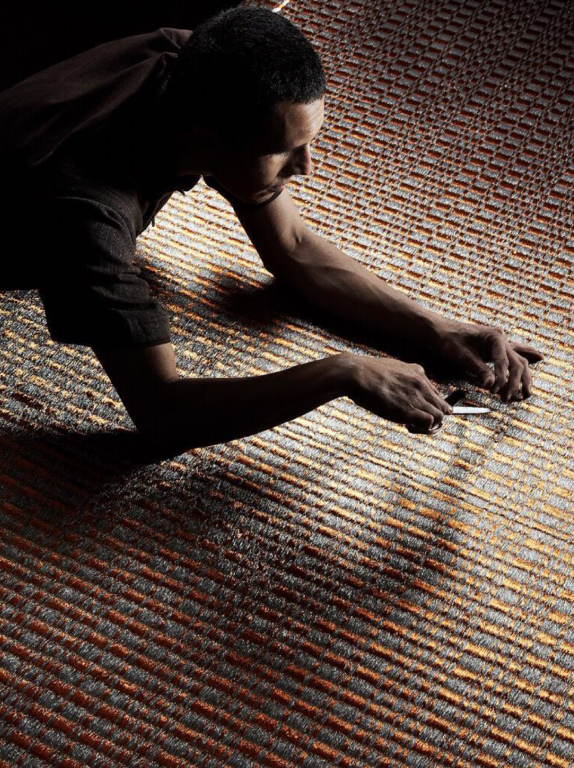
Weaving as inheritance — craft passed from hand to hand, generation to generation.
In both regions, weaving is a deeply intergenerational craft, often passed from parent to child. It serves not only as a means of livelihood but also as a vessel for transmitting cultural identity, cosmology, and symbolism.
Weavers in the Andes and the Himalayas source materials locally — alpaca or llama wool in the Andes, and yak wool, sheep’s wool, and natural silk in the Himalayas. Natural dyes and sustainable harvesting techniques are rooted in a respect for nature’s cycles — a spiritual, ecological consciousness embedded in the work.
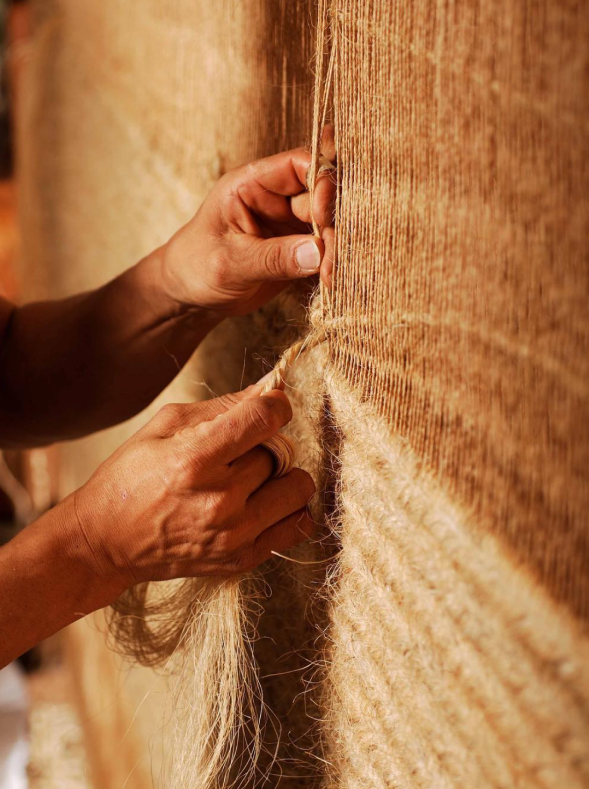
Nature is not just the source — it is the collaborator.
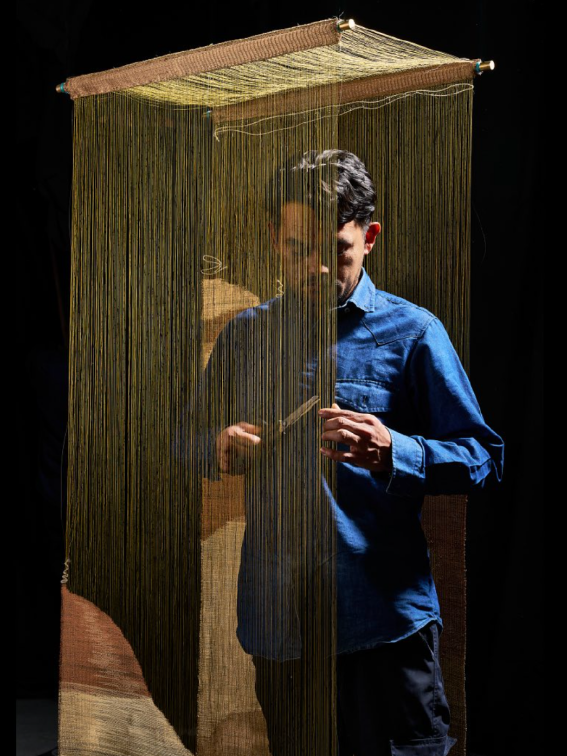
Nature is not just the source — it is the collaborator.
Both regions are known for painstakingly slow, manual processes — from spinning and dyeing to knotting and loom weaving. The resulting textiles are rich with texture, time, and touch — conveying what machine-made products simply cannot.
Traditional motifs often hold spiritual or cultural meaning, with designs representing myths, geography, deities, or cycles of life. This is especially evident in Andean tocapus (geometric symbols) and Himalayan mandala or cloud motifs.
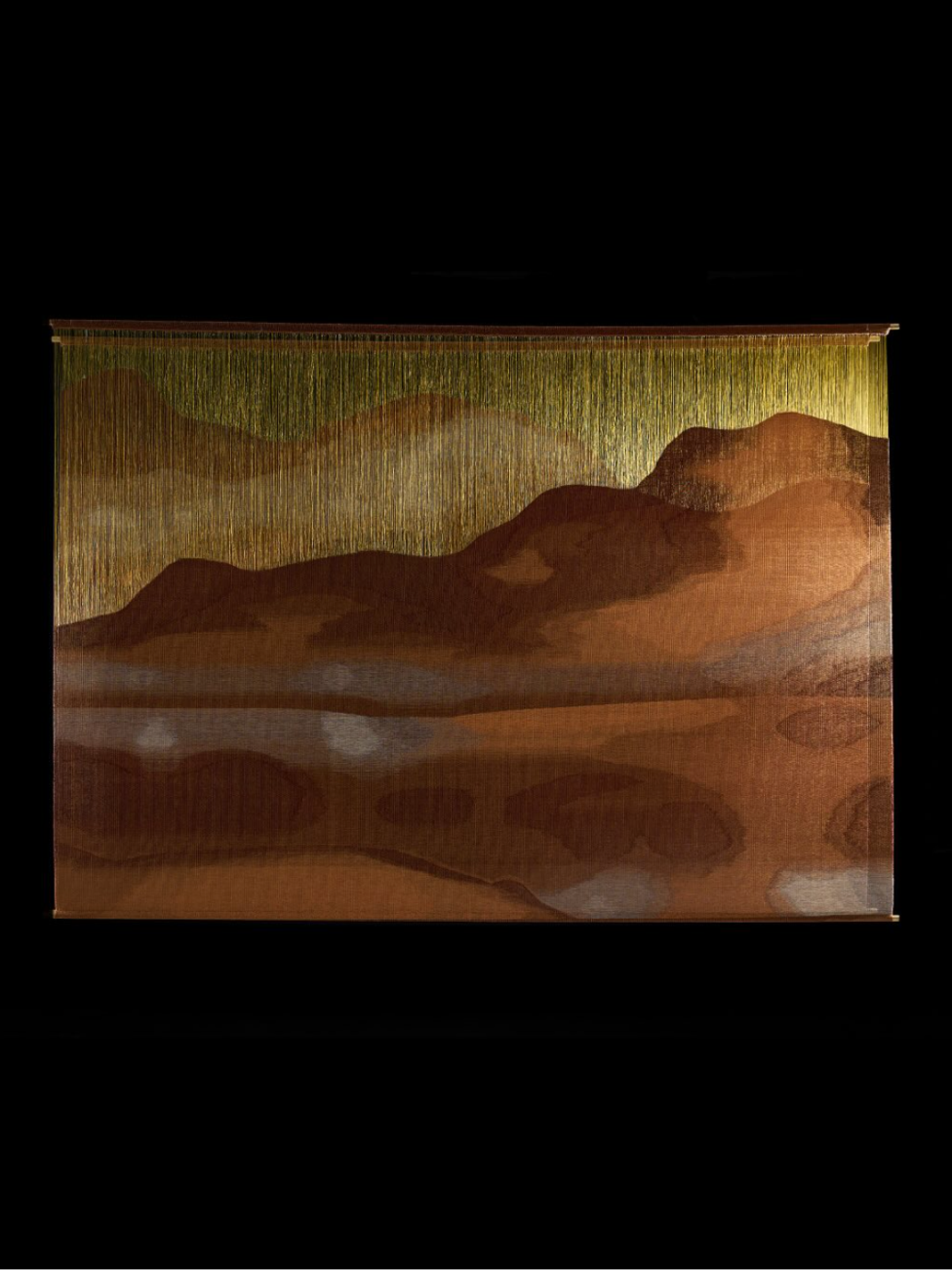
Textile Mount Huang Tapestry
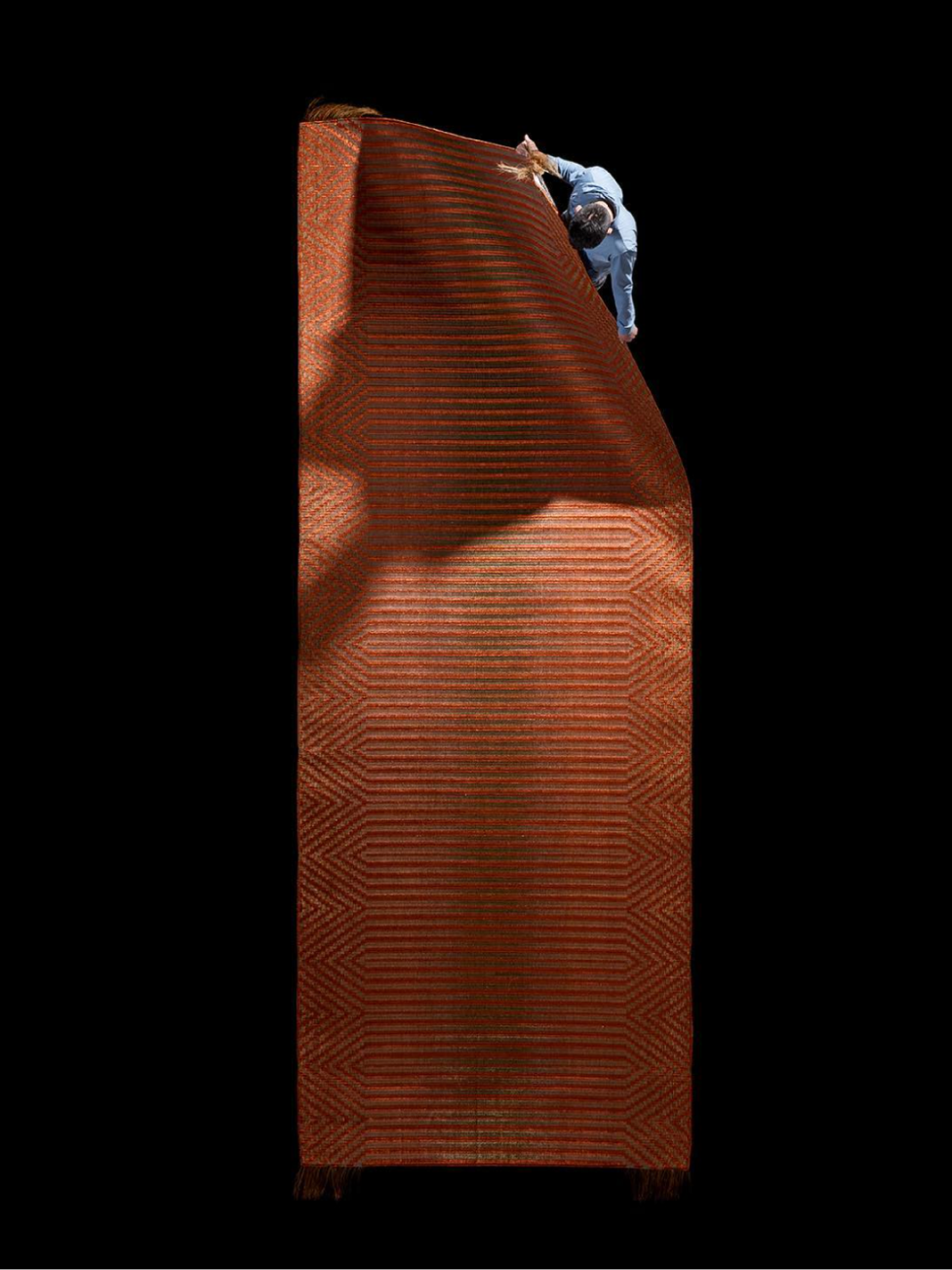
Textile Mount Huang Tapestry
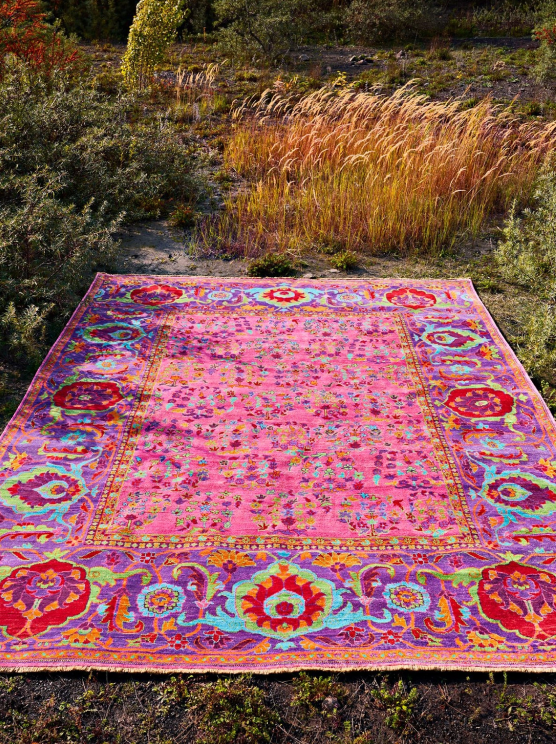
Textile Mount Huang Tapestry
Encoded in pattern: the stories of gods, land, and memory.
The altitude and geography of both regions shape the craft — from the types of fibers used to the patterns inspired by mountains, rivers, and sky. The practice becomes a way to interpret and translate place into fabric
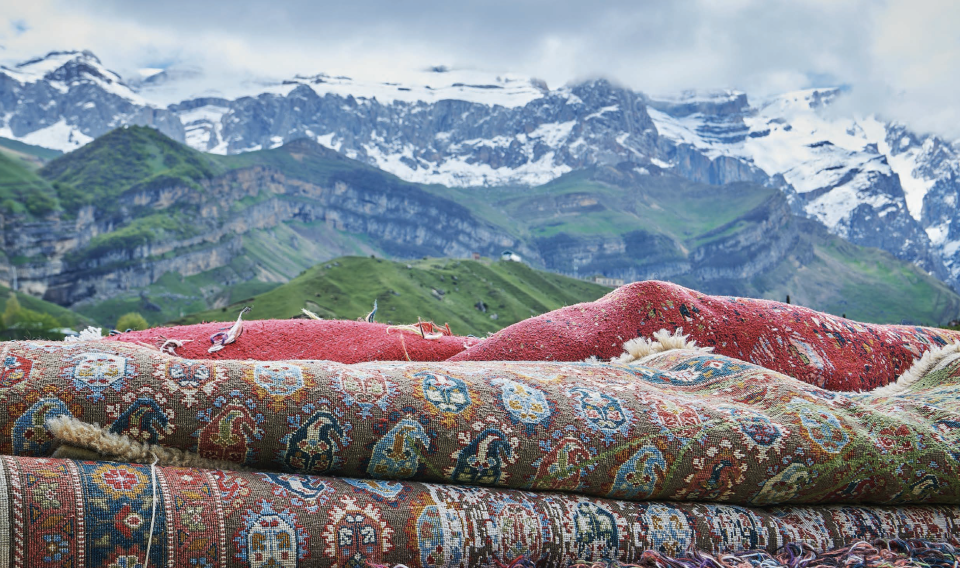
Mountains shape more than landscapes — they shape imagination.
Tradition is not static — it is alive, evolving, and astonishingly modern.